

Point-of-Care Ultrasound in Toledo, Ohio
Walk-In Ultrasound Evaluations for Specific Medical Concerns
When you’re experiencing certain symptoms, an ultrasound can help your medical provider better understand what’s happening inside your body.
At Unity Urgent Care & Pharmacy, we offer Point-of-Care Ultrasound (POCUS), a bedside imaging service that allows our providers to evaluate specific medical concerns during your visit.
Unlike traditional ultrasound appointments that may require a separate imaging facility, point-of-care ultrasound can provide immediate information to help guide clinical decisions, determine appropriate treatment, or identify when additional testing is needed.
Get in Touch
This form and our contact methods are not monitored for medical emergencies. If you are experiencing a medical emergency, call 911 immediately. For non-emergency concerns or to schedule an appointment, please call our clinic directly.
What Is Point-of-Care Ultrasound (POCUS)?
Point-of-Care Ultrasound, commonly called POCUS, is a focused imaging technique performed by a trained medical provider during a patient evaluation.
Using a handheld ultrasound probe, providers can view certain internal structures and assess specific conditions without invasive procedures or radiation exposure.
POCUS is designed to answer focused clinical questions rather than provide a comprehensive diagnostic examination.
Walk-ins are always welcome. Your provider will determine whether a bedside ultrasound is appropriate based on your symptoms and medical history.
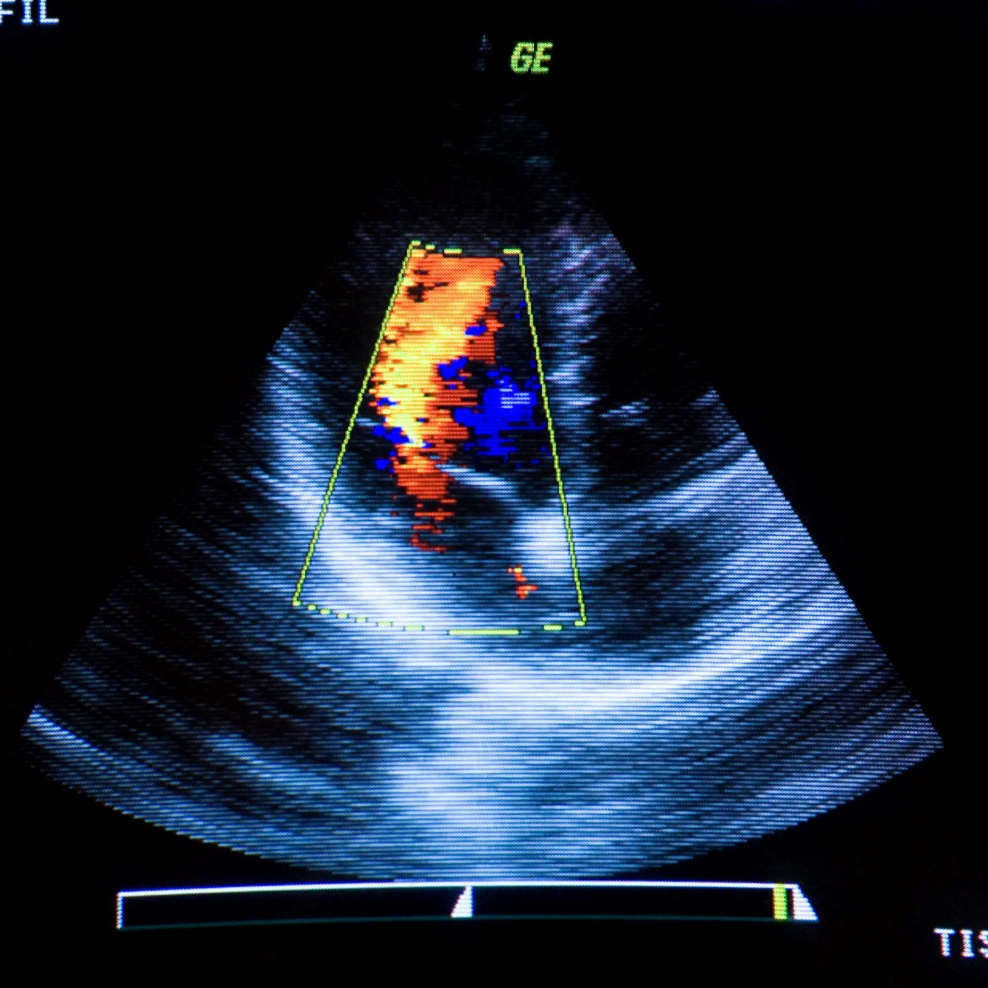

Point-of-Care Ultrasound Services
Unity offers several types of limited bedside ultrasound evaluations to help assess specific medical concerns.
Limited Cardiac Ultrasound
Focused on: Basic heart function and fluid around the heart
A limited cardiac ultrasound allows providers to examine certain aspects of the heart’s movement and structure.
This evaluation may help identify:
- General heart pumping function
- Fluid surrounding the heart
- Significant structural abnormalities visible during a focused examination
A limited cardiac ultrasound does not replace a comprehensive echocardiogram or evaluation by a cardiologist.
Gallbladder Ultrasound
Focused on: Gallstones and signs of gallbladder inflammation
Gallbladder ultrasound may be used when patients experience certain types of abdominal pain, particularly in the upper right portion of the abdomen.
A focused evaluation may help identify:
- Gallstones
- Gallbladder wall changes
- Fluid surrounding the gallbladder
- Findings that may suggest acute gallbladder inflammation
Additional imaging or testing may be necessary to confirm a diagnosis.
Kidney Ultrasound
Focused on: Kidney obstruction and fluid buildup
A limited kidney ultrasound can help providers assess certain concerns involving the kidneys and urinary system.
This evaluation may help identify:
- Swelling of the kidney caused by urine buildup (hydronephrosis)
- Signs of urinary tract obstruction
- Certain visible kidney stones
- Other abnormalities that may require further evaluation
Not all kidney stones or urinary conditions can be identified through bedside ultrasound.
Bladder Ultrasound
Focused on: Bladder volume and urinary retention
Bladder ultrasound allows providers to estimate how much urine is present in the bladder.
It may be helpful when evaluating:
- Difficulty emptying the bladder
- Suspected urinary retention
- Bladder volume before or after urination
- Certain urinary symptoms requiring additional assessment
Results can help guide decisions about further testing or treatment.
Deep Vein Thrombosis (DVT) Ultrasound
Focused on: Possible blood clots in the deep veins of the legs
A focused DVT ultrasound may be performed when a provider suspects a blood clot in the deep veins of the lower extremities.
Symptoms that may prompt evaluation include:
- Swelling in one leg
- Leg pain or tenderness
- Warmth or redness in the affected area
- Other symptoms concerning for a possible blood clot
A limited bedside ultrasound can help identify certain findings associated with DVT. However, a negative bedside examination does not completely rule out a blood clot, and formal vascular ultrasound or additional testing may be required.
Soft Tissue Ultrasound
Focused on: Abscesses, fluid collections, cysts, and foreign bodies
Soft tissue ultrasound helps providers evaluate certain concerns beneath the surface of the skin.
It may be used to assess:
- Suspected abscesses
- Localized fluid collections
- Cysts or other superficial lumps
- Certain foreign bodies beneath the skin
- Areas of swelling or suspected infection
This information can help providers determine whether additional treatment, drainage, imaging, or referral is appropriate.
Early Pregnancy Ultrasound
Focused on: Limited first-trimester pregnancy evaluation
A focused early pregnancy ultrasound may help providers assess certain findings during the first trimester.
Depending on the stage of pregnancy and clinical circumstances, the examination may help evaluate:
- Whether a pregnancy is visible within the uterus
- Approximate gestational age
- Visible fetal cardiac activity
- Findings that may require additional obstetric evaluation
A bedside ultrasound cannot reliably rule out all pregnancy complications, including ectopic pregnancy, and does not replace comprehensive prenatal ultrasound or obstetric care.
Ocular Ultrasound
Focused on: Selected concerns involving the eye and structures behind it
Ocular ultrasound uses sound waves to help providers evaluate certain structures within the eye when clinically appropriate.
A focused examination may help assess:
- Findings concerning for retinal detachment
- Certain abnormalities within the vitreous cavity
- Possible foreign bodies or other abnormalities requiring further evaluation
- Selected optic nerve findings that may warrant additional assessment
Ocular ultrasound is not appropriate for every eye injury. It should not be performed when an open-globe injury or rupture is suspected.
Some eye symptoms require immediate evaluation by an ophthalmologist or emergency department.
Ultrasound Evaluations Without a Separate Imaging Appointment
For certain medical concerns, bedside ultrasound allows your provider to gather additional information during your urgent care visit.
At Unity Urgent Care & Pharmacy, point-of-care ultrasound offers:
- Focused imaging performed at the bedside
- Immediate findings to support clinical decision-making
- Noninvasive imaging without ionizing radiation
- Evaluation based on your symptoms and medical history
- Guidance on whether additional imaging or specialist care is needed
Not every condition can be evaluated or diagnosed through POCUS. Your provider will determine whether a limited examination is appropriate.
What to Expect During a Point-of-Care Ultrasound
If your provider recommends a bedside ultrasound, the examination is typically performed during your medical evaluation.
A small amount of ultrasound gel is applied to the area being examined, and a handheld probe is moved across the skin to produce images.
Depending on the type of examination, your provider may ask you to change positions or remain still while specific structures are evaluated.
The length of the examination varies based on the area being assessed and the clinical question.
Your provider will discuss relevant findings and explain whether additional testing, treatment, or follow-up is recommended.
On-Site Pharmacy for Convenient Prescription Services
Unity Urgent Care & Pharmacy also has a full-service pharmacy located inside our Toledo clinic.
If medication is recommended following your evaluation, our pharmacy team can help with:
- Filling eligible prescriptions on site
- Answering medication questions
- Reviewing dosage and administration instructions
- Discussing potential medication interactions
Having urgent care and pharmacy services in one location can make it easier to take the next step in your treatment plan.
When to Seek Emergency Care
Point-of-care ultrasound is a limited diagnostic tool and is not a substitute for emergency medical evaluation.
If you experience severe chest pain, significant difficulty breathing, sudden vision loss, signs of a stroke, severe abdominal pain, fainting, or other potentially life-threatening symptoms, call 911 or go to the nearest emergency department immediately.
If you are pregnant and experience severe abdominal pain, heavy bleeding, dizziness, or fainting, seek emergency medical care.
Findings may be limited by the clinical circumstances, the structures being examined, and the capabilities of focused bedside imaging. Additional testing, formal imaging, specialist evaluation, or emergency care may be necessary. All ultrasound examinations are subject to provider assessment and clinical appropriateness.
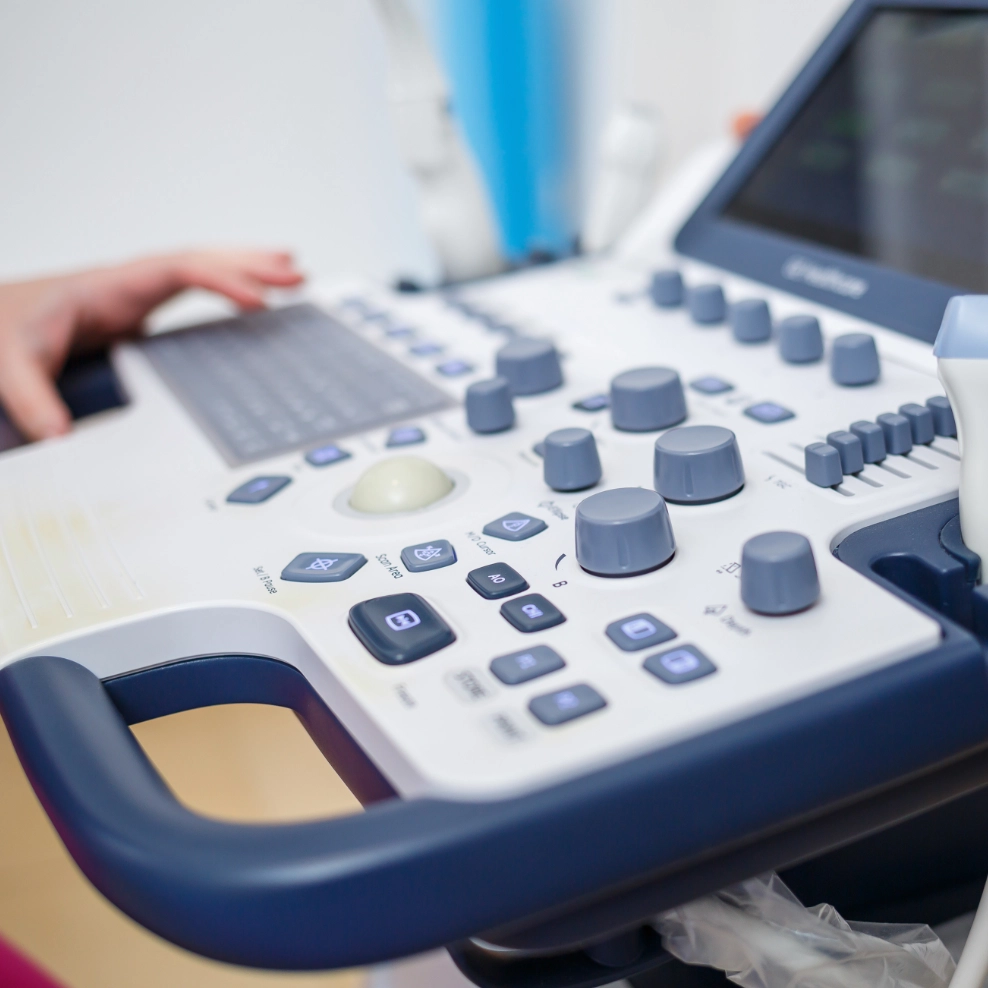
Visit Unity Urgent Care & Pharmacy for Point-of-Care Ultrasound
When additional imaging may help evaluate your symptoms, point-of-care ultrasound can provide valuable information during your urgent care visit.
At Unity Urgent Care & Pharmacy, our medical team uses focused bedside ultrasound examinations when clinically appropriate to support timely evaluation and treatment decisions.
Walk-ins are welcome, and we accept most major insurance plans, with self-pay options available.
Unity Urgent Care & Pharmacy
3065 W. Bancroft St.
Toledo, OH 43606
Call (419) 720-2273 to learn more about our point-of-care ultrasound services.
Important Clinical Information
Point-of-care ultrasound (POCUS) examinations at Unity are strictly limited, bedside evaluations intended to assist with immediate clinical decision-making. They are not comprehensive diagnostic imaging studies and do not replace formal ultrasound examinations interpreted by a board-certified radiologist or other appropriately qualified imaging specialist.